The Archdiocese of Tabora is located in the western part of Tanzania, within the expansive Tabora Region. Covering an area of about 76,000 square kilometers, it is one of the largest ecclesiastical territories in the country. The Archdiocese serves an estimated 2.3 million people, of whom around 270,000 are Catholics. These faithful are organized into parishes, outstations, and mission centers that extend across both rural and urban communities.
The roots of the Catholic Church in Tabora go back to 1878, when the Missionaries of Africa (White Fathers) arrived in Unyanyembé—present-day Tabora. They came with deep faith and a vision to share the Gospel in a land known for its trade routes and cultural diversity. Their presence grew quickly, leading to the creation of the Apostolic Vicariate of Unyanyembé in 1887. In 1925, it became the Diocese of Tabora, and later, on March 25, 1953, it was elevated to the rank of Metropolitan Archdiocese. From humble missionary beginnings, Tabora has grown into a strong and vibrant center of Catholic life in western Tanzania.
From the very beginning, the Archdiocese of Tabora has been deeply committed to the mission of evangelization—spreading the Gospel through both faith and service. The early missionaries journeyed across vast and challenging terrain, founding mission stations, schools, and health centers that brought light and hope to countless communities. Their work laid a foundation not only for the growth of the Church but also for education, healthcare, and social transformation throughout the region.
As the Church matured, local vocations began to flourish. Parishes multiplied, and faith communities took root in villages and towns alike. Evangelization evolved into a shared mission between clergy, religious, and the laity. Today, the Archdiocese continues this legacy through pastoral care, education, health services, and social development—particularly through Caritas Tabora, which coordinates programs in community development, gender equality, environmental care, and humanitarian aid.
At the heart of this ongoing mission are the Small Christian Communities (Jumuiya Ndogo Ndogo), where families gather regularly to pray, reflect on the Word of God, and support one another. These small groups embody the true spirit of Christian unity and fellowship, allowing the Church to reach even the most remote corners of the Archdiocese.
Guided by its long missionary tradition and strengthened by generations of faithful believers, the Archdiocese of Tabora remains a living witness of faith, love, and service. It continues to grow as a community where Christ is known, loved, and made present through the works of His people
The Archdiocese has been shepherded by dedicated leaders whose faith and vision have shaped its growth through the years:
• Mgr. François Gerboin, M.Afr. – Vicar Apostolic of Unyanyembé (1897–1912)
• Mgr. Henri Léonard, M.Afr. – Vicar Apostolic and later Bishop (1912–1928)
• Mgr. Edouard Michaud, M.Afr. – Bishop of Tabora (1928–1932)
• Mgr. Joseph Trudel, M.Afr. – Bishop of Tabora (1933–1949)
• Mgr. Cornelius Bronsveld, M.Afr. – Bishop and first Archbishop (1950–1959)
• Archbishop Marko Mihayo – (1959–1985), first Tanzanian Archbishop of Tabora
• Archbishop Mario Epifanio Abdallah Mgulunde – (1985–2006)
• Archbishop Paul Runangaza Ruzoka – (2006–2023)
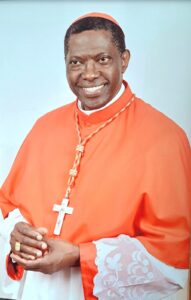
• Cardinal Protase Rugambwa – (2023–Present)
Auxiliary Bishop:
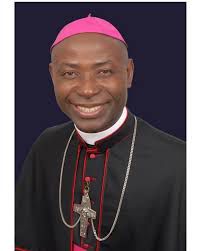
• Bishop Josaphat Jackson Bududu – Appointed in 2025
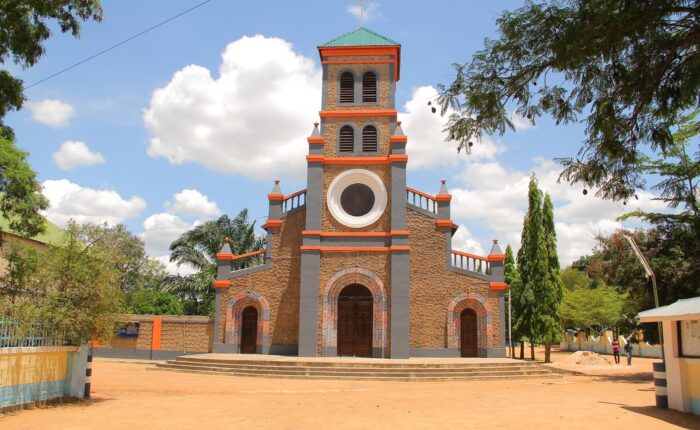
The Archdiocese of Tabora is located in the western part of Tanzania, within the expansive Tabora Region. Covering an area of about 76,000 square kilometers, it is one of the largest ecclesiastical territories in the country. The Archdiocese serves an estimated 2.3 million people, of whom around 270,000 are Catholics. These faithful are organized into parishes, outstations, and mission centers that extend across both rural and urban communities.