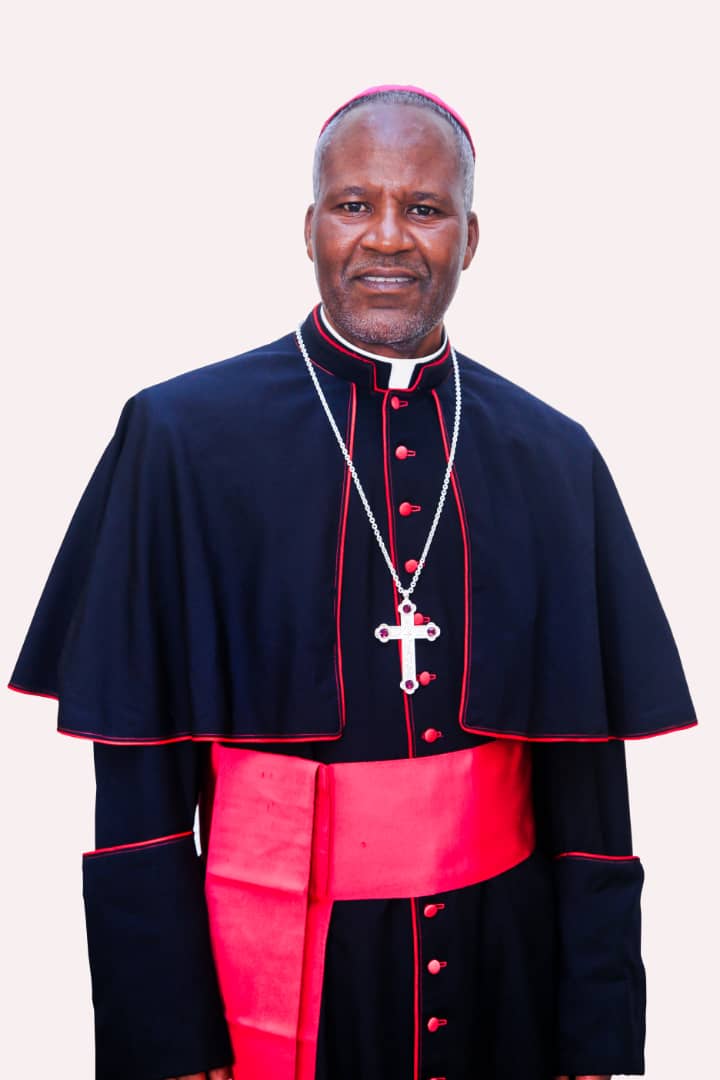
The local Church in Lindi first emerged when the Diocese was established as the Diocese of Nachingwea on 5 August 1963, and then on 17 October 1986 it took on the name Diocese of Lindi. From its beginning, missionaries laid foundations of faith, education and social service in the region; over the decades the Church has grown to be rooted in local communities, combining deep Christian faith with active service for the people.
Evangelization in the Diocese of Lindi has been much more than simply proclaiming the Gospel — it has been about building community, empowering families and living the faith in everyday life. Over the years, the Church has supported mission‑stations, schools, health centres and outreach in otherwise remote areas, bringing Christ’s presence into places where it might otherwise never reach.
A key feature of this evangelizing mission is the embrace of Small Christian Communities (SCCs)‑ families and neighbours who gather regularly, share Scripture, pray together, support one another and act as the front‑line of Church life in their locality. The Bishop recently reflected: “If we want our faith to continue to take root, we must go to the family; we must go to the Small Christian Community.”
In these SCCs the Church fosters leadership among lay people, encourages shared service and builds a faith‑life that is both deeply spiritual and practically engaged in the life of the community. The result is a growing local Church that is not just a structure, but a living network of faith, hope and love in homes, parishes and villages across the region
Here is a list of those who have led the Diocese (or its predecessor) as Bishop, with their years of service:
P. O. Box 3011, Moshi
Tel: +255272752089
Fax: +255272750934
E-mail: bishopshouse_moshi@yahoo.com
CDNK Sisters Bishop’s House Moshi
Diocesan Chancery
P. Box 3041 Moshi
Tel: +255272752127
Fax: +255272751982
E-mail: catdi.moshi@gmail.com
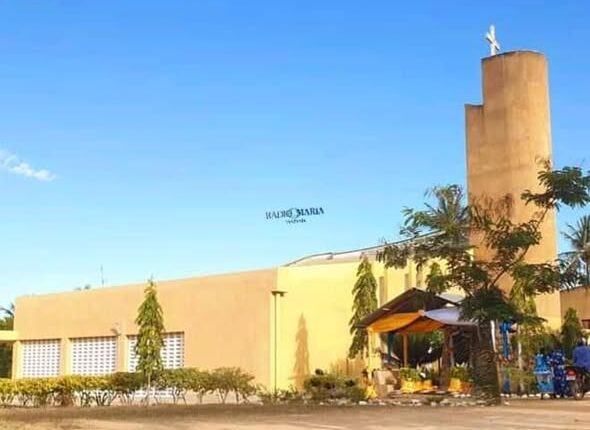
Located along Tanzania’s south‑eastern coast, the Diocese of Lindi embraces a wide and beautiful territory of approximately 67,000 km². It serves a population approaching 900,000 people, of whom around 16 % are Catholics. The faithful live in a mix of rural villages, coastal settlements and remote inland areas — and the Diocese strives to bring the Gospel, hope and practical support into every corner of its vast region