The roots of the diocese trace back to April 1929 when it was established as the Apostolic Vicariate of Bubuka. Over the years, it underwent several changes: it became the Diocese of Bukoba in 1951, was renamed the Diocese of Rulenge in 1960, and finally adopted the current title of Diocese of Rulenge–Ngara in 2008. These milestones reflect its growth and evolving role in the Church’s mission in Tanzania.
Missionary efforts in the region were initially led by the White Fathers, also known as the Missionaries of Africa. Since then, the diocese has steadily expanded its presence, establishing new parishes, schools, and community programs. The diocese has become a hub for spiritual guidance and social development, supporting both religious practice and the wider community.
Catholic evangelization in the area now called Rulenge–Ngara began in the late 1800s when the White Fathers (Missionaries of Africa) established their first mission at Kashozi near Bukoba. Despite early challenges, including resistance from local leaders, these missions laid the foundation for the growth of Catholic communities.
By the early 1900s, missionary activity expanded to stations like Katoke, gradually reaching more villages and strengthening the Church’s presence. In 1929, the Apostolic Vicariate of Bubuka was created, covering the territories of today’s diocese. Over the decades, the Church grew steadily, leading to the establishment of the Diocese of Rulenge in 1960. Later, after the formation of the Diocese of Kayanga, the remaining area became the Diocese of Rulenge–Ngara in 2008.
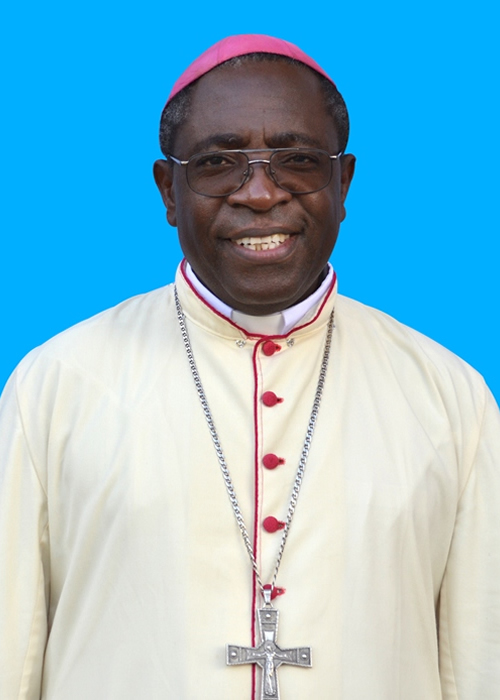
Since then, the diocese has continued to expand its pastoral work and social programs under its bishops, especially Bishop Severine Niwemugizi. Today, Rulenge–Ngara stands as a vibrant center of Catholic faith, carrying forward a rich history of evangelization and mission in the region.
Since its establishment, the diocese has been shepherded by several bishops who guided its growth and development:

The Diocese of Rulenge–Ngara is located in the northwestern part of Tanzania, covering a significant portion of the Kagera Region. It spans roughly 13,000 square kilometers and serves a population where around half identify as Catholic. Established in 1929, the diocese has grown into an important center for faith and community life in the region.